
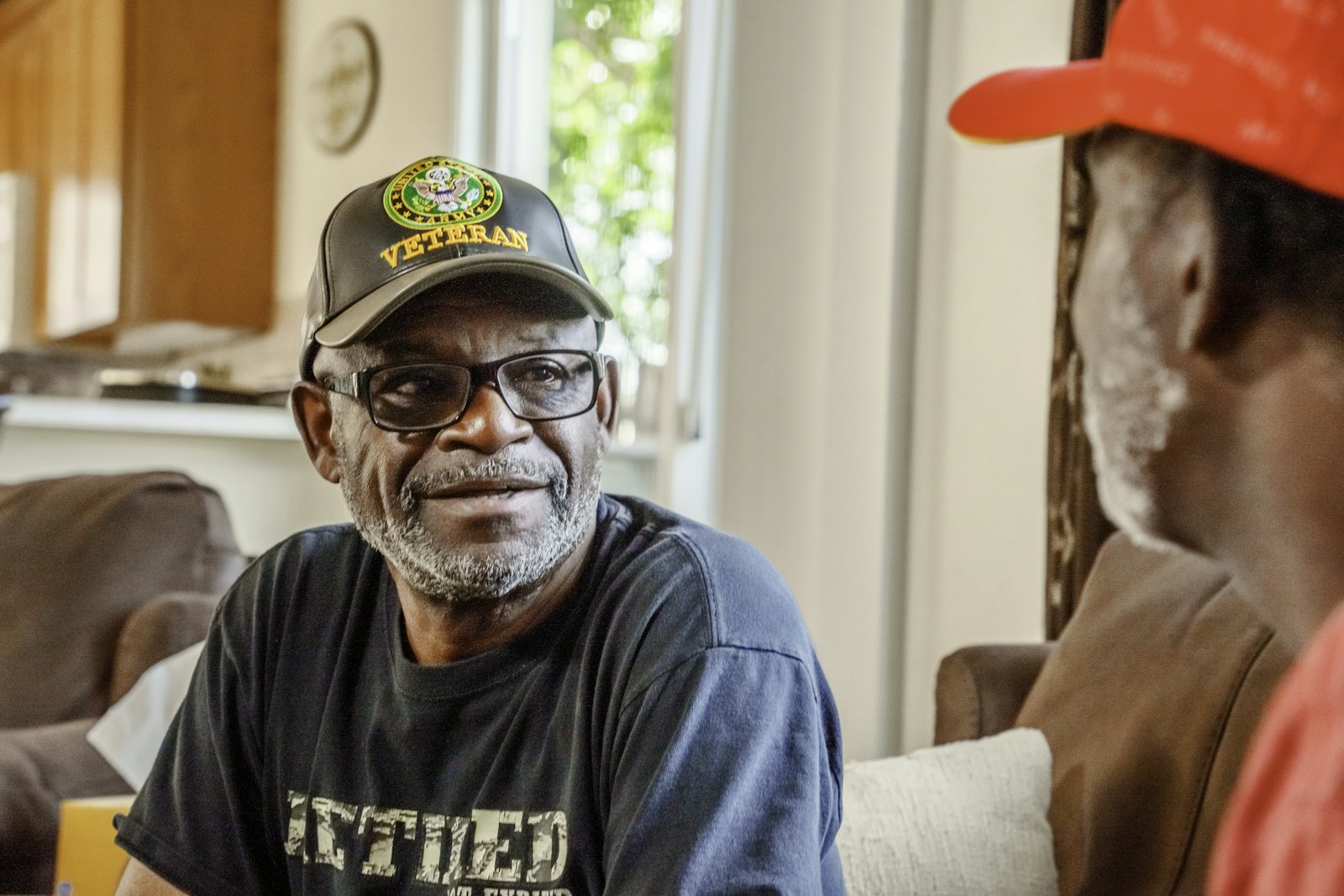
The return to civilian life is a big change, for the person who served and for everyone around them. Routines, roles, and relationships all shift. It's common for the adjustment to be harder than anyone expected, even years after discharge.
Signs someone may be struggling
Every person is different, but these changes are worth paying attention to:
- Trouble sleeping, nightmares, or being constantly on alert
- Drinking more, or using drugs or prescriptions to cope
- Anger or irritability that seems out of proportion
- Pulling away from family, friends, or activities they used to enjoy
- Feeling numb, hopeless, or without purpose
None of these mean something is wrong with them. They're common responses to service and to transition, and they can be treated.
Ways to help
- Listen more than you advise. Let them share at their own pace. You don't need to fix anything to be helpful.
- Respect their strengths. Discipline, loyalty, and a sense of mission are assets in recovery too.
- Learn about their benefits. VA and community care options can be confusing. Offering to help sort them out can lower a real barrier.
- Encourage connection. Time with other veterans who understand can make a big difference.
- Suggest a first step, not a big leap. A single conversation with a counselor or peer specialist is easier to agree to than "getting treatment."
Take care of yourself, too
Spouses, parents, and caregivers carry a lot. It's okay to need support of your own. Family sessions and caregiver support can help you understand what's happening and keep you from burning out.
Call or text the Veterans Crisis Line: dial 988, then press 1, or text 838255. In an emergency, call 911.
Freedom Behavioral Health has a particular focus on service members, veterans, and their families. If you'd like to talk through options, we're here.